Beginners: pizza and deli cooking from the ground up
Getting started with pizza and deli at home
This guide is for anyone who has tried pizza or deli food prepared with care and wants to understand what makes these preparations work. You do not need professional equipment or advanced experience to begin. What you need is patience and an understanding of the fundamentals: how flour and water behave together, why timing matters, and which techniques genuinely affect the final result. This page covers the basics you will encounter when exploring food preparation that respects traditional methods.
The fundamentals you need to know
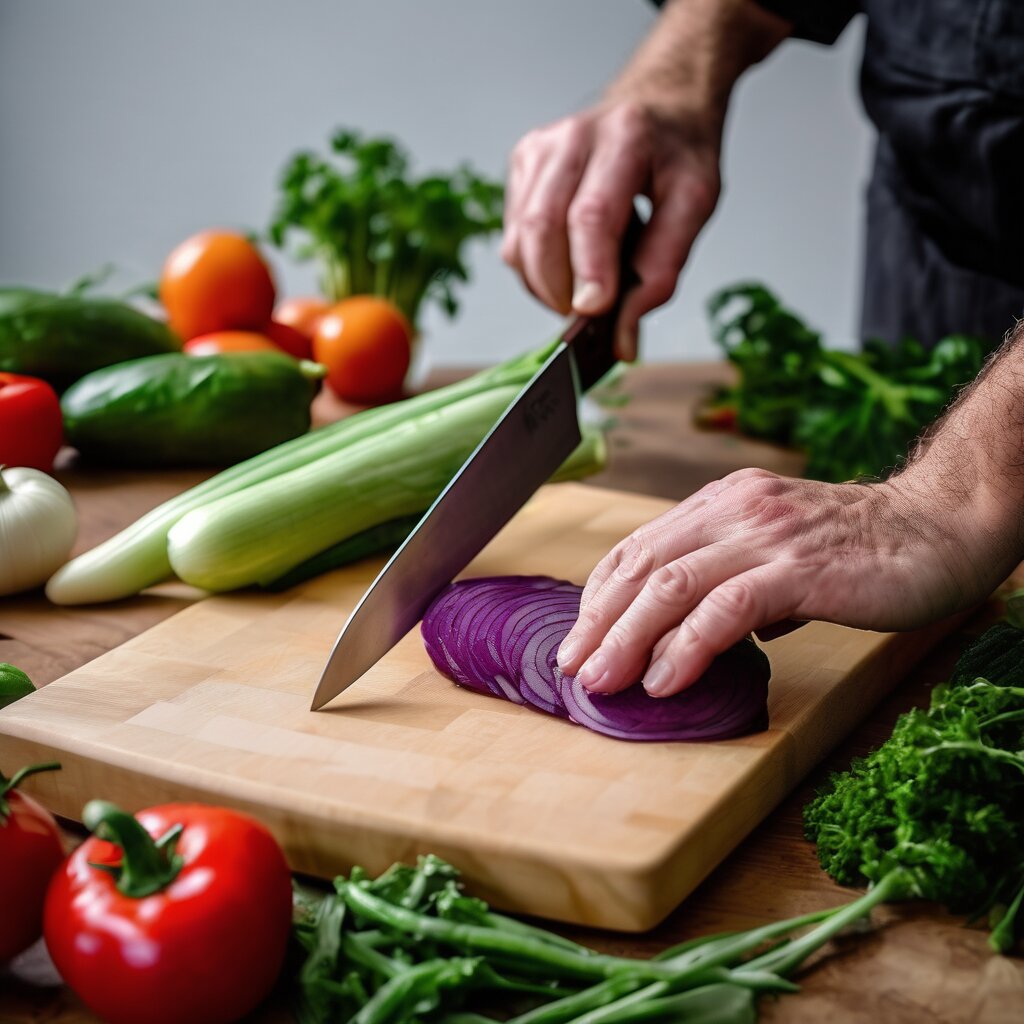
Pizza and deli food preparation both rest on mastering a few core concepts. In pizza making, the foundation is dough—understanding how flour, water, salt, and yeast interact determines everything that follows. In deli work, it is the sandwich assembly itself: proper layering, ingredient quality, and the bread's ability to hold what goes on it. For an expert view on knife handling, see The Culinary Institute of America's analysis of the five knife skills every cook needs, starting with why a sharp knife is a safe knife. These skills apply whether you are slicing bread at a deli counter or preparing vegetables for pizza toppings.
Pizza preparation basics: Start with flour and water in the correct proportion. Mix gently to hydrate the flour, then work the dough with your hands or a mixer to develop gluten structure. Salt goes in after initial mixing—it strengthens the dough but can inhibit yeast if added too early. Add yeast last, whether you use commercial yeast or natural fermentation. Once mixed, patience begins: a first rise might be one hour, then shaping, then a long fermentation of 8 to 48 hours depending on temperature and taste preference. Temperature control is critical—warm kitchens ferment faster, cold ones slower. This timing creates flavor and texture that rushing cannot replicate.
Deli sandwich assembly: The foundation is bread quality and freshness. Sliced bread loses moisture quickly, so timing matters—you want bread sliced recently but not hot. Meats should be sliced to proper thickness: too thin and they tear, too thick and they do not hold sauce or distribute evenly. Layer in an order that respects structure: denser items on the outside, softer items in the middle, so nothing compresses and the sandwich holds its shape. Temperature of components matters—cold meats and cheese firm up, hot bread stays workable. The balance between ingredient quality and technique is what separates assembly from craft.
Seeing the techniques in action

Where beginners get stuck
The most common mistakes happen when people try to rush the process or substitute equipment for technique. Pizza dough cannot be fermented in two hours if authentic flavor is the goal—the biochemistry of yeast and flour requires time. Deli sandwiches fail when the bread is the wrong temperature, the meats are sliced incorrectly, or the layering does not account for structural support. Another frequent error is assuming that expensive equipment compensates for poor technique. A sharp knife in an untrained hand is a liability, and a home oven, even a good one, performs differently from a brick oven. Understanding these limitations and working within them is the beginning of real progress. Watch someone who understands these principles. Notice their pacing, their ingredient selection, their respect for the process. This observation is often more valuable than any written instruction, because the hand skills are visible.