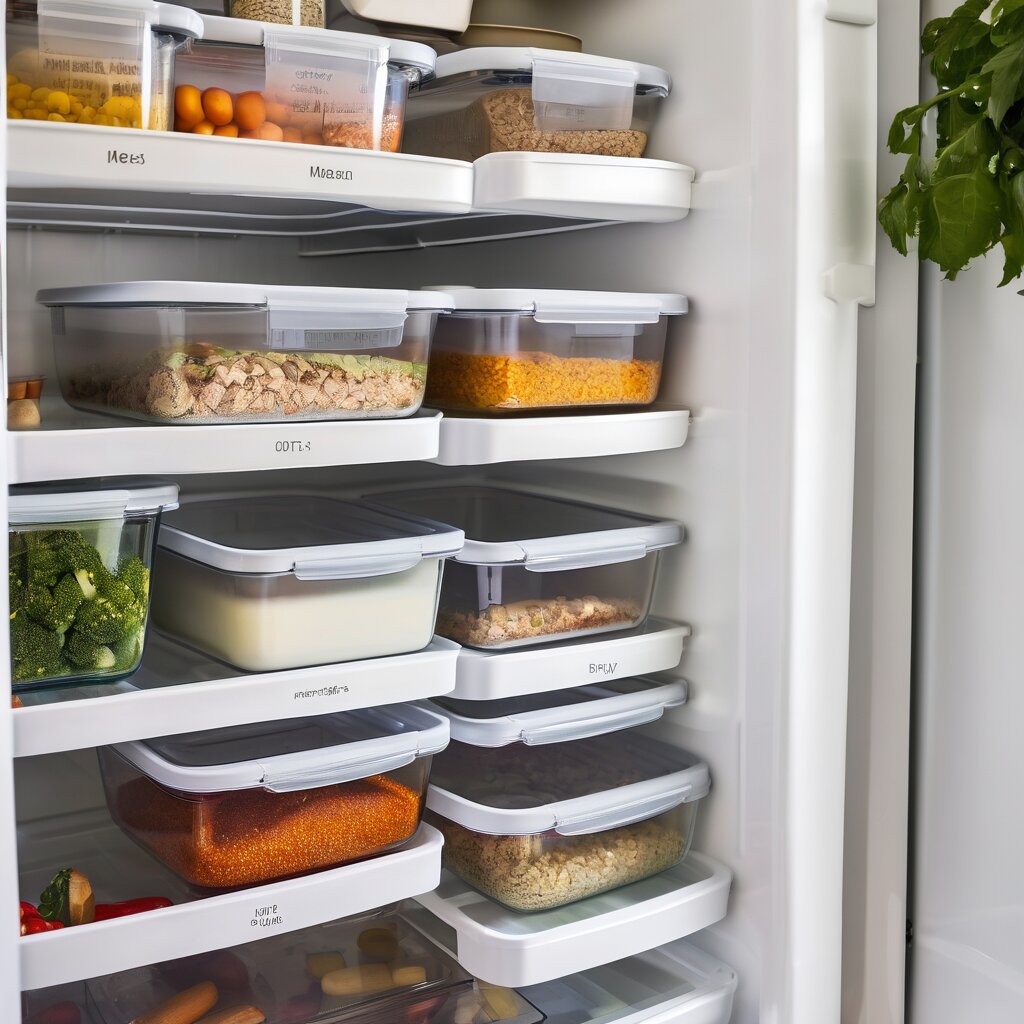
Storage and Leftovers
How to safely keep and reheat cooked food for best results and safety.
Why leftovers deserve a plan
Leftover food isn't a compromise or a fallback. Done right, it's a way to extend a cooking effort into multiple meals, build flavor depth, and reduce waste. This guide covers the safety rules you need to know, the storage methods that work, and how to reheat dishes so they taste good, not like an afterthought. The fundamentals are simple: cool food quickly, store it properly, and heat it thoroughly. Everything else follows from those three steps.
Cooling, keeping and reheating: common questions
When should I put hot food in the refrigerator?
Cooked food should go into the refrigerator within two hours of cooking. If the room is warm, aim for one hour. This prevents bacteria from multiplying in the danger zone between 40°F and 140°F. Let hot food cool on the counter briefly if it's steaming, but don't wait for it to reach room temperature—that takes too long.
How long can I keep leftovers in the refrigerator?
Most cooked leftovers stay safe in the refrigerator for three to four days. This includes pizza, deli meat dishes, pasta, and stew. If you're not sure when something was cooked, three days is the safe bet. After that, the risk of foodborne illness increases. When in doubt, throw it out.
What's the best way to freeze leftovers?
Cool the food completely before freezing. Use airtight containers or freezer bags, and leave a little space at the top because food expands as it freezes. Label everything with the date. Most cooked foods freeze well for two to six months. Soups and stews freeze better than breads, and pasta dishes separate more easily if you freeze them in single portions.
How do I reheat leftover food safely?
Reheat leftovers to an internal temperature of 165°F. Use a food thermometer to check. This kills harmful bacteria that may have started growing during storage. Reheat in an oven, stovetop, or microwave—all work, depending on what the dish is. Don't just warm it; heat it thoroughly.
Can I freeze raw ingredients that touch leftovers?
Keep raw and cooked foods separate at all times, even when freezing. Store raw meat on a lower shelf than cooked food in your refrigerator. Use separate cutting boards for raw and cooked items. Cross-contamination can happen during storage just like during preparation, so the same rules apply.