Quick Meals
What counts as a quick meal
A quick meal is not fast food—it's food that fits into the life you actually lead. Getting dinner to the table in thirty minutes to an hour means starting with ingredients you trust, understanding where precious minutes can be saved, and knowing which steps deserve your full attention. The techniques in this guide cover the difference between rushed cooking and intentional cooking done faster. Seasoning placement, temperature management, and ingredient organization are the foundations that let you move with clarity rather than panic.
The quickest meals start with a plan. When you read through a recipe once, gather what you need before you begin, and understand the shape of what you're building, you move through the work with intention. This clarity lets you anticipate the next step and adjust as you go, rather than discovering halfway through that you're missing something crucial.
Rules that hold for every quick meal
A few constants hold across all quick meals. Ingredients need time to integrate—cold butter and warm dough don't combine properly if you're rushing, and deli meat straight from the refrigerator tastes colder and thinner than meat brought to a gentler temperature. Seasoning works harder when given a moment to find its way into the food, and oil carries flavor differently depending on when you introduce it.
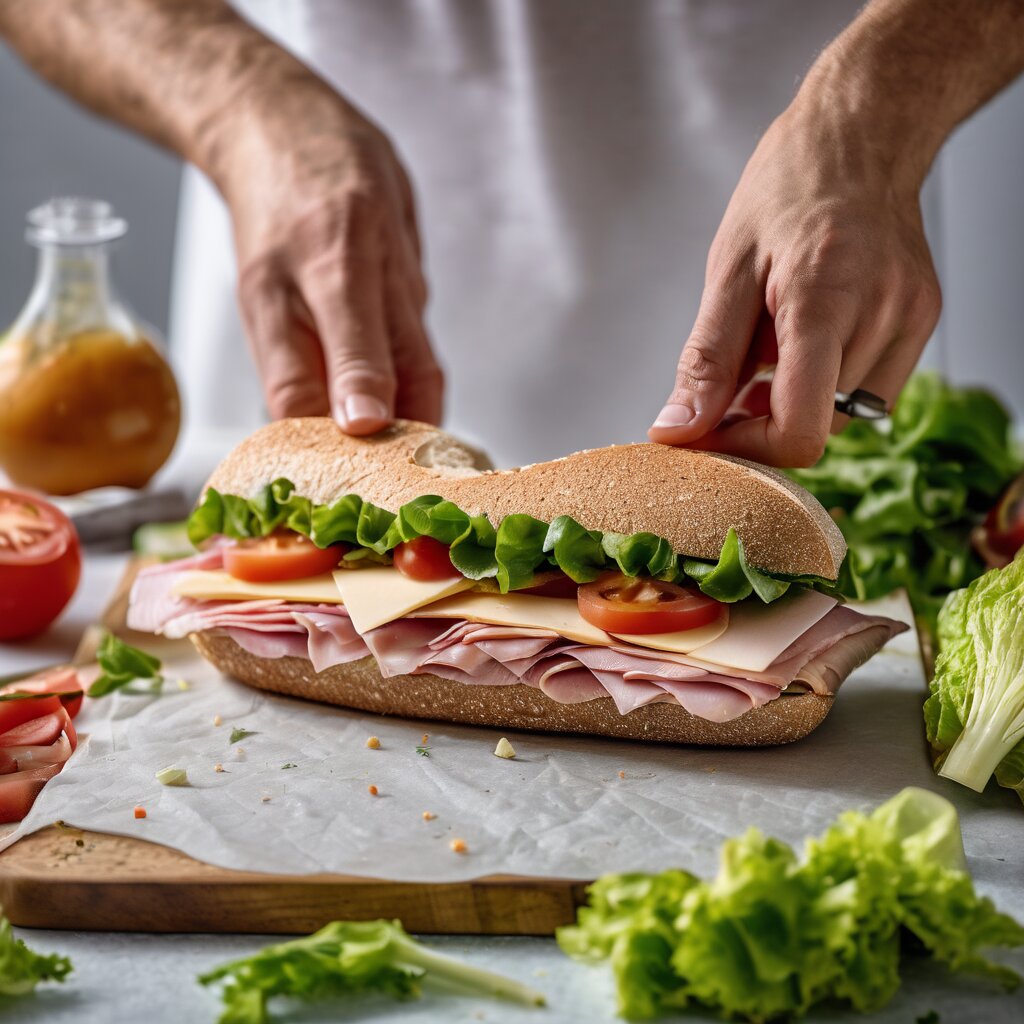
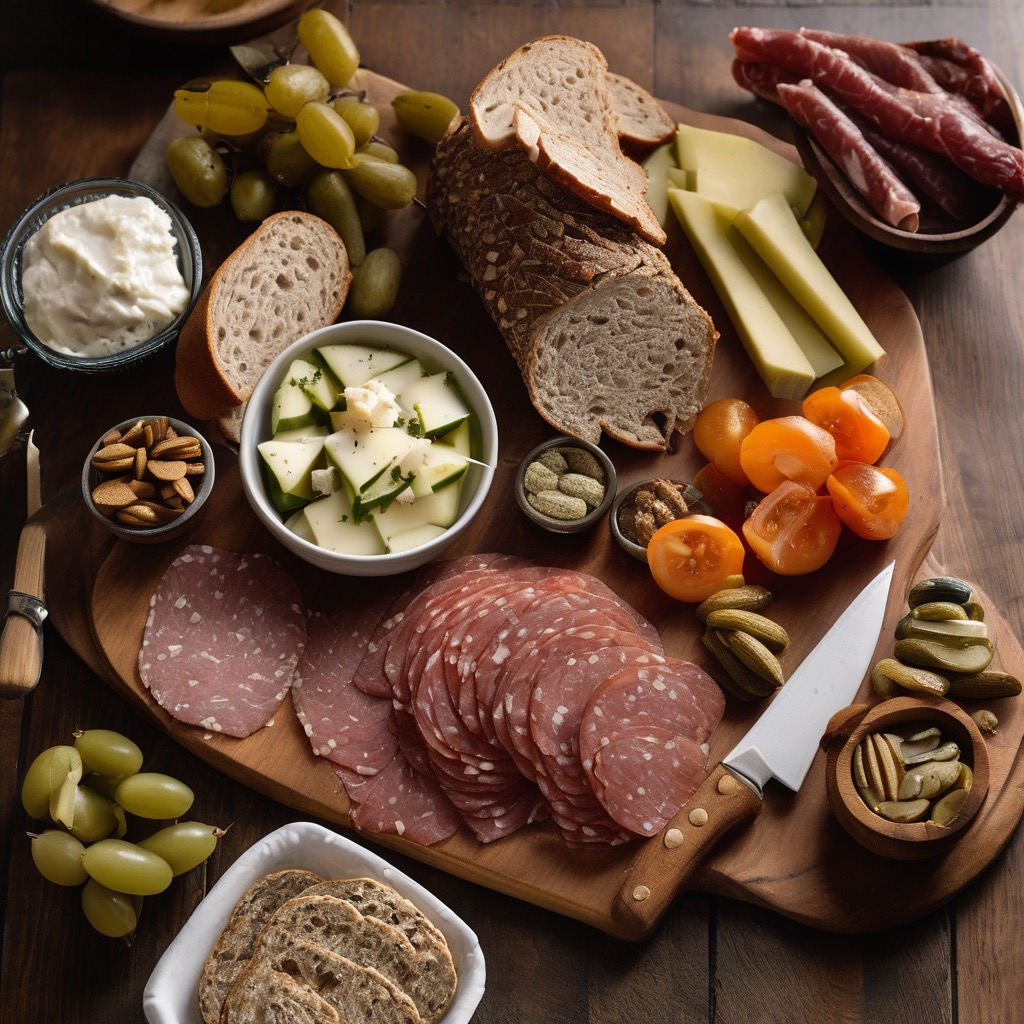
The best shortcut is starting with well-made components. A deli counter that slices meat to the right thickness, bread that's been properly fermented, and toppings kept fresh and cold do half the work for you. Building quick meals around these foundations—rather than starting from scratch every time—means you're not reinventing something that doesn't need to be reinvented.
The numbers to plan around
- Minutes from fridge to plate
- 30
- Core ingredients ready
- 3 to 4
- Temperature rest (deli meats)
- 10 min
- Seasoning settle time
- 2 min
These numbers hold across recipes and seasons. Thirty minutes is achievable when you know what you're reaching for and have done the prep. Three or four core ingredients ready—bread, cheese, protein, and a vegetable or sauce—means you're not searching as you cook. Deli meats brought from cold to gentle room temperature in ten minutes make a measurable difference in how the flavors land. Two minutes of rest after seasoning lets the salt and spice settle into the food rather than sitting on top of it.
Assembly is where it comes together