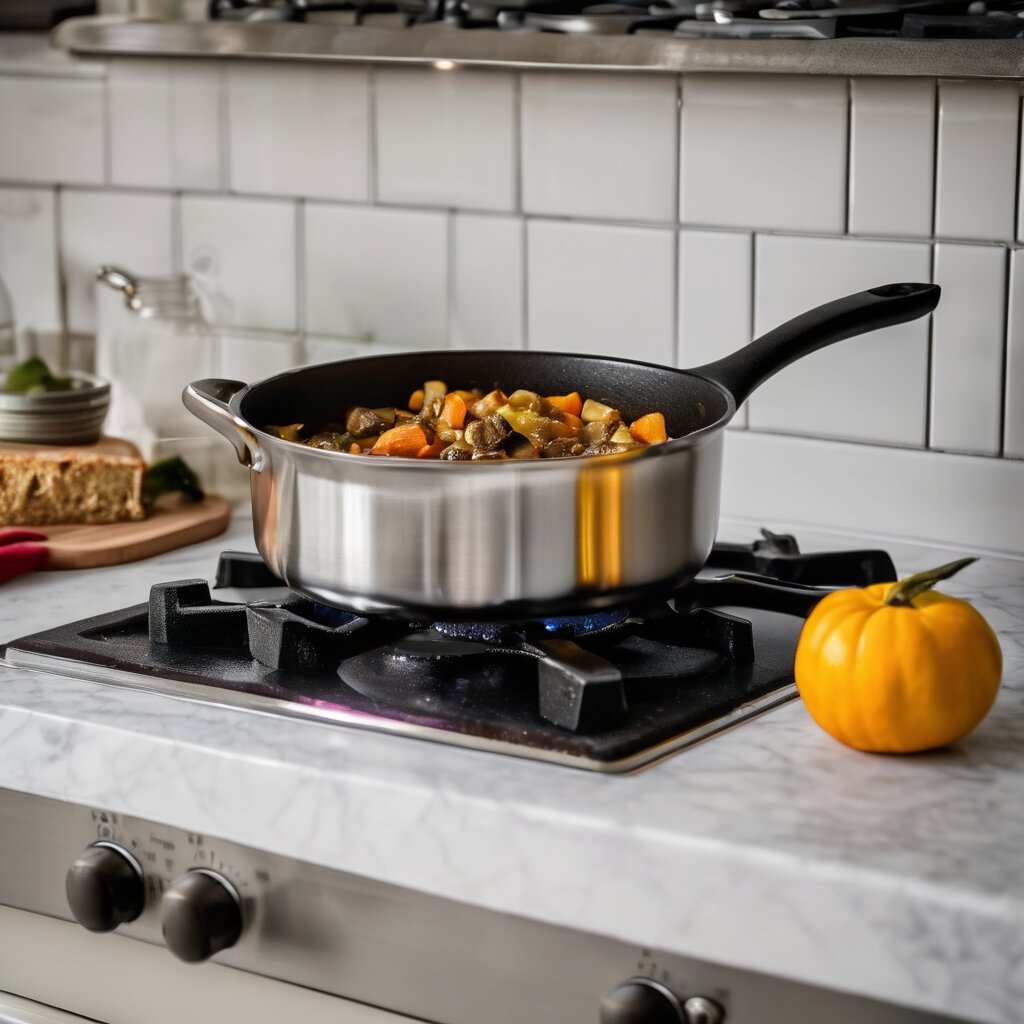
From The Stove
Techniques and timing for cooking pizza and deli items in a home kitchen, drawn from professional methods and adapted for reliable results.
What cooking from the stove means
Cooking from the stove encompasses the methods that transform dough and ingredients into finished dishes through heat and timing. Whether we're talking about pizza baking in a 500-degree oven or deli items simmered on the cooktop, the principles remain constant: proper temperature, attention to time, and understanding how heat moves through food. The difference between home-cooked and professional results usually comes down to these technical details rather than secret ingredients.
The stove and oven are tools that respond predictably when you understand the fundamentals of heat transfer.
Home cooks can achieve results that rival restaurant kitchens by learning a few core techniques and respecting the timing each method requires.
Next step: preparing dough and heat
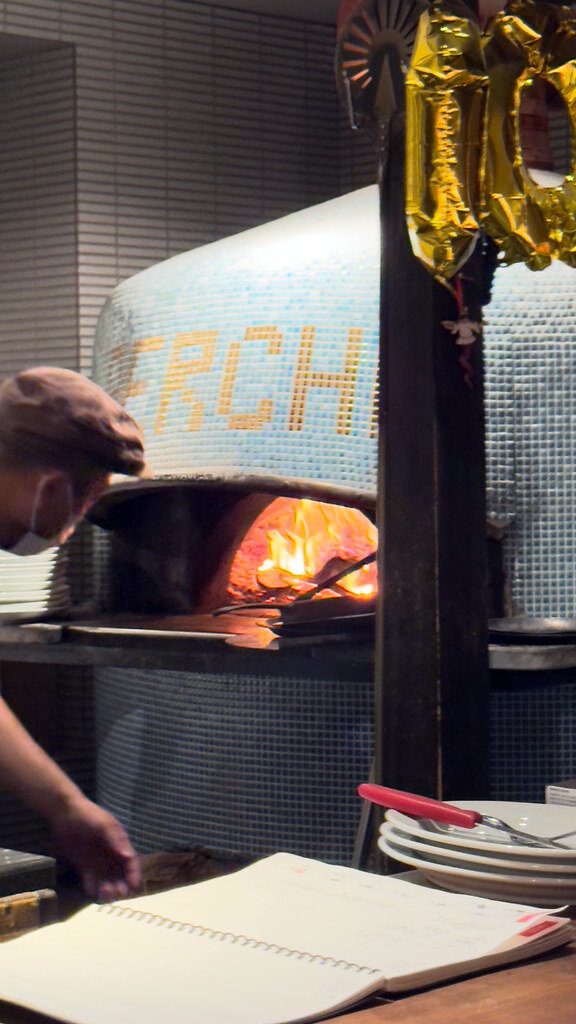
The foundation of great pizza begins with dough that has time to develop flavor. NY-style pizza dough gets its flavor from time: a first rest of about an hour, then 8 to 10 hours of fermentation, or up to three days in the refrigerator. For the detail on shaping and baking two 13-inch pies, see King Arthur Baking. The oven itself matters: a standard home oven runs 400–500 degrees, while professional brick ovens reach 700–900 degrees, but both can produce excellent results if you account for the temperature in your timing.
Reference table: home oven times and temperatures
| Item | Temperature | Time | Signs of doneness |
|---|---|---|---|
| Pizza (12-inch, fresh dough) | 475–500°F | 10–15 min | Golden crust, bubbling cheese, crispy bottom |
| Calzone | 425–450°F | 20–25 min | Deep golden exterior, sealed seams don't leak filling |
| Deli sandwich (toasted) | 350°F | 3–5 min | Bread is golden, cheese melted, filling warmed through |
| Reheating deli items | 350°F | 5–10 min | Internal temperature 165°F, edges show light browning |
| Simmered sauce (stovetop) | Medium heat | 20–30 min | Sauce coats the back of a spoon, no separated oil on surface |
Common challenges and how to solve them
Even with proper technique, cooking brings surprises. A pizza that browns too fast on top but stays pale on the bottom usually needs a lower oven rack position. If your dough is hard to stretch, it's too cold — let it warm at room temperature for 15 minutes. Deli items that dry out during reheating are often left too long or heated at a temperature that's too high; 350 degrees at 5–10 minutes keeps them tender. Sauces that taste flat after cooking need a pinch of salt and a few minutes more heat to develop flavor.
The role of heat is precise. Home cooking differs from professional kitchens mainly in the tools available — smaller ovens, burners that heat differently, and less heavy equipment. Accepting these constraints and adjusting your method around them produces consistent results. Keep notes on your timing and oven behavior, and adapt from there.