Seasonal Favorites
What grows, ripens, and cooks best as the year turns through New England — and why it matters.
Cooking by the New England calendar
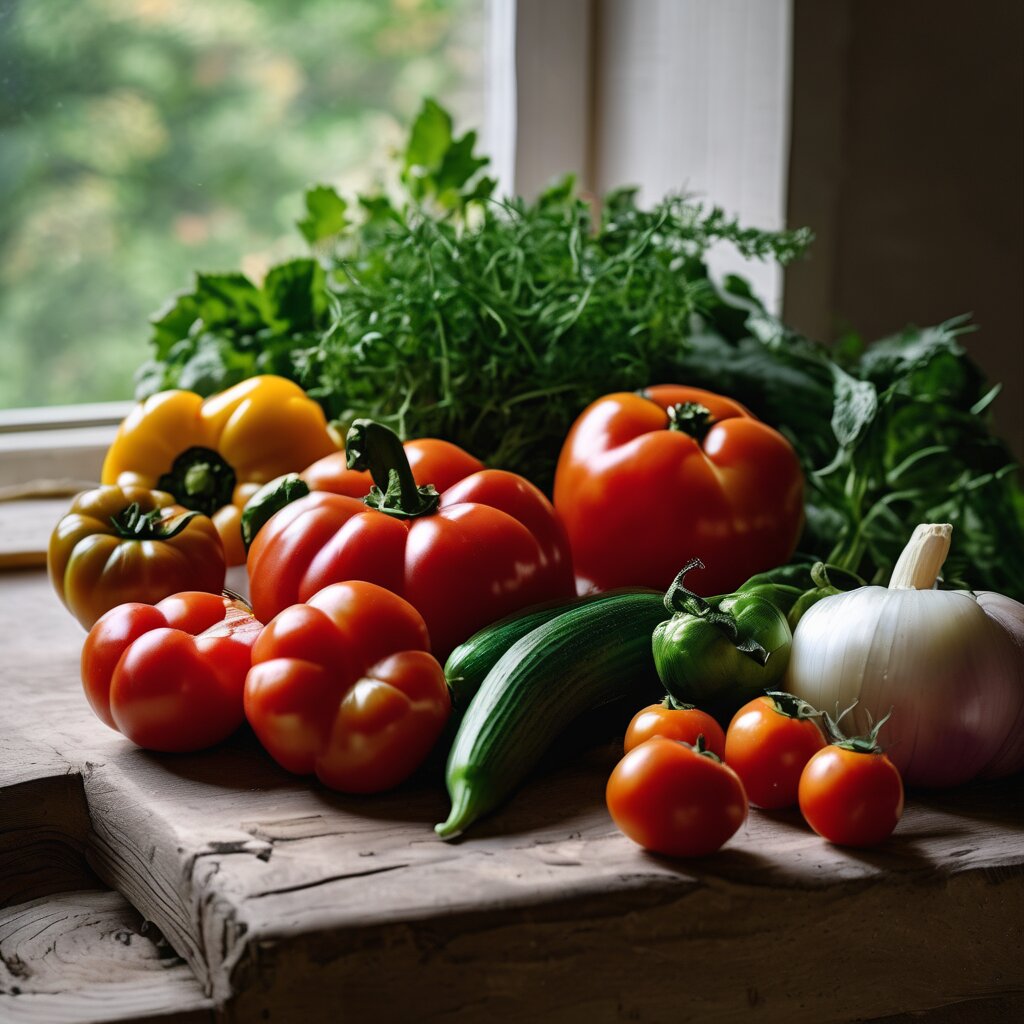
Every season brings its own ingredients to the table, and the best kitchens follow what grows nearby. Spring arrives with tender greens and fresh herbs that brighten a sandwich or top a pie. Summer brings the tomatoes that define a classic slice — ripened in the sun with the acid and body that become sauce. Fall delivers root vegetables that roast into depth and sweetness, packed into a stuffed crust or layered into a rustic deli spread. Winter is the season of storage crops and patience: what keeps on the shelf, what builds flavor in the slow cook, what feeds a table when fresh things are scarce.
Cooking with what the season offers is how good food reaches the table year-round.
This page is a guide to those shifts. It covers what to expect at each turn of the year and why a kitchen that respects the seasons tastes better than one that ignores them. Whether you cook at home or order from a pizzeria and deli, the seasonal menu is your roadmap to what the kitchen is doing best right now.
Seasonal questions
Why don't I see fresh tomatoes in the winter pizza?
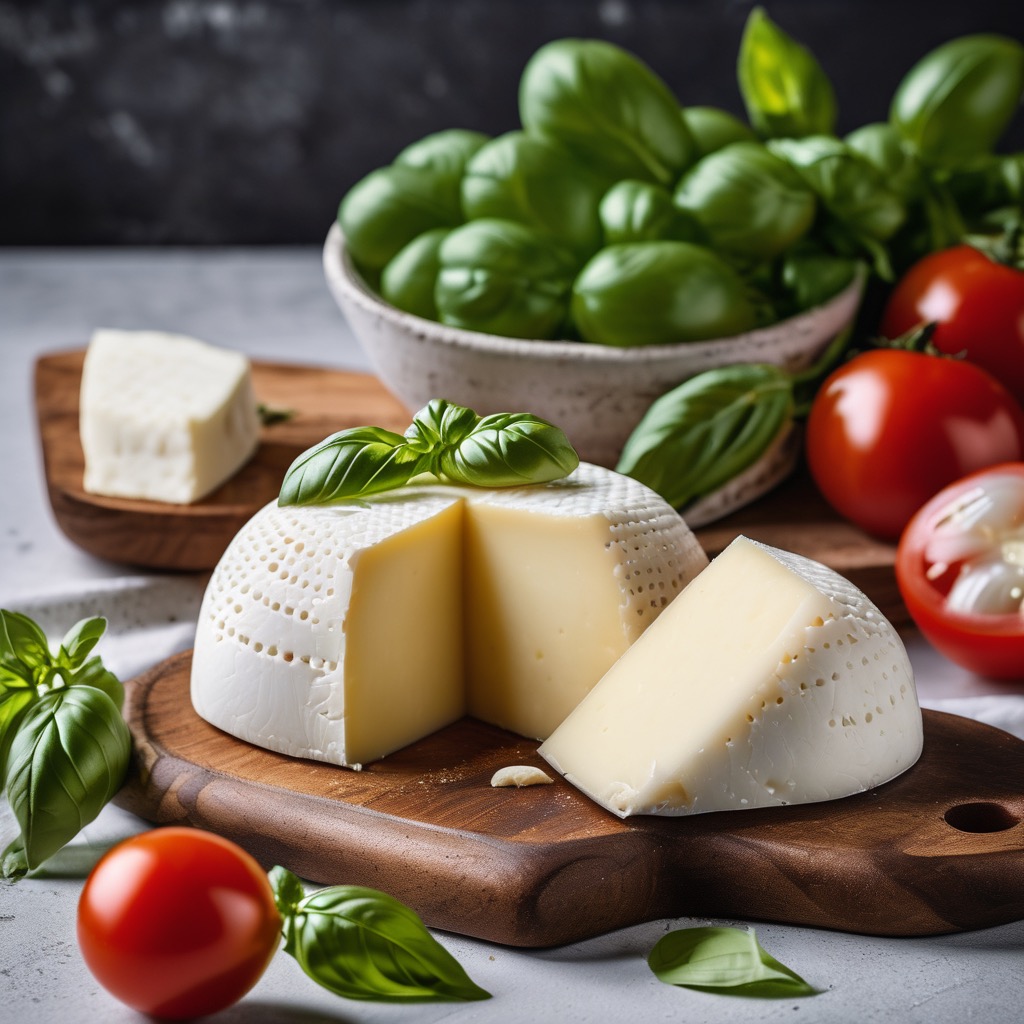
Tomatoes are a summer fruit in New England. What you'll see from November through April comes from greenhouses or far away, and it's often picked before it ripens, so the flavor suffers. A winter pie keeps a good sauce on the shelf and builds its taste from garlic, basil, and the skill of the kitchen, not the season. The moment summer tomatoes return — late June through August — you'll taste the difference immediately. If you care about that bright, live tomato taste, winter is when other toppings shine. Spring through fall is tomato season, and that's when to order the margherita.
What deli sandwiches are different in spring?
Spring is lettuce and herb season. A deli sandwich in April and May carries greens that are tender and alive in ways they're not in summer's heat. Spring also brings radishes and other fresh vegetables that give a sandwich crunch and a slight bite. By June the lettuces start to wilt in the heat unless they're babied, so you'll notice deli sandwiches shifting to recipes that don't rely on crisp greens — things that are better at room temperature or benefit from the warmth. Once autumn arrives and the cool returns, you'll see the green sandwiches come back into rotation.
How do fall and winter pizzas differ?
Fall brings squash, mushrooms, and caramelized onions — vegetables that cook down into richness over time. A fall pie becomes less about fresh tomato and more about depth and earthiness. Winter holds that same taste but adds root vegetables roasted until they're sweet, plus the long braises that make sense when the kitchen has time. You'll also see more meat-forward pies in winter, because a pie with sausage or bacon works as a complete warm meal in a way a margherita doesn't. Spring and summer shift back toward brightness — lighter doughs, fresh toppings, quicker cooks.